RESULTS / CASE-STUDY LIBRARY

JUDGMENT, MADE VISIBLE.

Not a transaction wall. A closer look at the constraints, decisions and execution that can change a real estate outcome.

THE STANDARD

THE READER SHOULD UNDERSTAND HOW THE DECISION CHANGED.

SITUATIONCONSTRAINTSTRATEGYEXECUTIONRESULT
ABOUT THESE STUDIES

Each study shows how Byron approaches a realistic real estate challenge—from the first constraint through strategy, execution and the decisions that shape the outcome.

A market-ready Colonial-style home in a Connecticut neighborhood01POSITIONING / PREPARATION

REPRESENTATIVE CASE STUDY

SELLER READINESS

SITUATION
A long-owned Central Connecticut home had solid fundamentals, uneven cosmetic updates and a family timeline that required a confident launch—not an open-ended renovation.
CONSTRAINT
Every improvement competed for time and capital. Doing too little could weaken first impressions; doing too much could delay the move without producing a meaningful return.
STRATEGY
Separate value-protecting work from cosmetic noise, define the likely buyer, compare the home against its real alternatives and set the launch sequence before spending began.
EXECUTION
The plan moved from maintenance and safety to selective presentation, photography and market release. Vendor decisions, pricing ranges and offer-review rules were established in advance.
RESULT
The property entered the market with a coherent story and a controlled decision process. The family avoided a blank-check renovation and preserved flexibility for the move that followed.

Packed moving boxes and keys in a bright Connecticut home02COMPLEX TRANSACTION / COORDINATION

REPRESENTATIVE CASE STUDY

THE TWO-CLOSING TRANSITION

SITUATION
A household needed to sell its current home and secure the next one inside the same market window, with financing, inspections, moving logistics and two closing dates affecting one another.
CONSTRAINT
One delayed milestone could disrupt both contracts. The emotional pressure to secure the next home also created a real risk of weakening terms or accepting the wrong property.
STRATEGY
Build one critical path for both sides of the move, establish fallback dates, match offer structure to actual sale readiness and decide which inspection issues were material before negotiations began.
EXECUTION
Lender, attorney, vendors and counterparties worked from the same milestone plan. Weekly updates surfaced dependencies early, while pre-agreed guardrails kept decisions moving under pressure.
RESULT
The representative outcome is housing continuity without improvised last-minute choices: a coordinated transition, disciplined negotiation and clear contingency options at every stage.
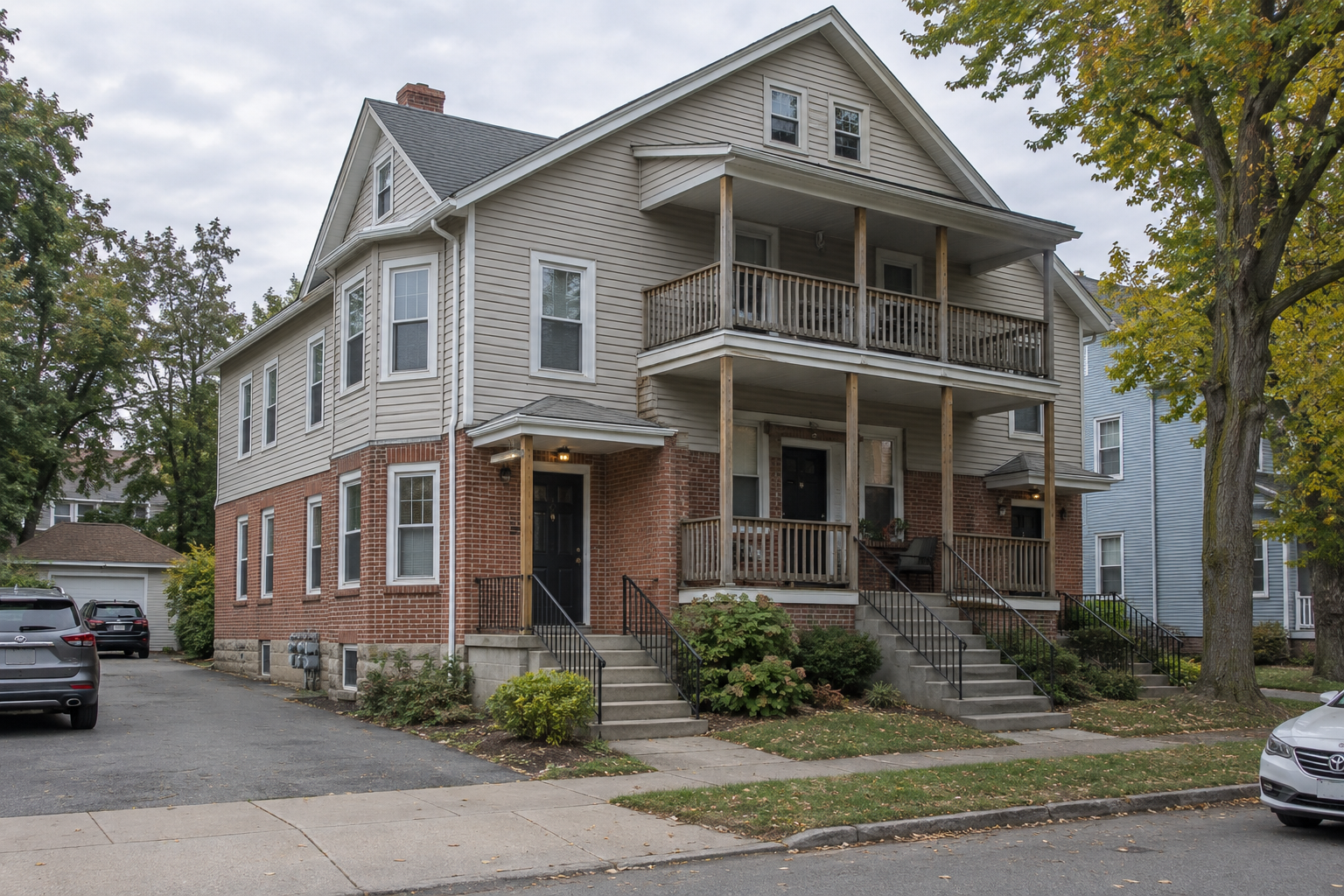
A practical small multifamily property on a Connecticut street03INVESTMENT / UNDERWRITING

REPRESENTATIVE CASE STUDY

THE DISCIPLINED ACQUISITION

SITUATION
A small multifamily property appeared attractive on headline rent, but its operating history was incomplete and several building systems would require attention during the hold period.
CONSTRAINT
The seller's upside narrative depended on optimistic rents and light expense assumptions. Without normalized numbers, a seemingly strong deal could become fragile after closing.
STRATEGY
Rebuild the operating picture conservatively, model realistic reserves, test rent and vacancy assumptions and establish a walk-away price before negotiation—not during it.
EXECUTION
Income, recurring expenses and near-term capital items were separated. Base, downside and improvement cases made the tradeoffs visible and turned inspection findings into pricing decisions.
RESULT
The decision was anchored to downside resilience instead of pro forma optimism. The framework created a defensible negotiation range—and made walking away an equally successful outcome if the terms did not support the risk.
An inviting New England home prepared for a focused buyer tour04MARKET INTELLIGENCE / BUYER STRATEGY

REPRESENTATIVE CASE STUDY

THE RELOCATION BRIEF

SITUATION
A relocating household was comparing several Connecticut towns while balancing commute, school routines, space, maintenance and resale considerations during limited visit windows.
CONSTRAINT
Online listings made very different choices look similar. Limited time on the ground increased the risk of touring too broadly, reacting emotionally or learning important tradeoffs too late.
STRATEGY
Translate preferences into a ranked decision brief, narrow the geography, establish property and neighborhood guardrails and prepare offer parameters before the focused tour.
EXECUTION
Virtual diligence removed weak options. The in-person route tested only the strongest fits, with each property evaluated against the same criteria instead of against the last home seen.
RESULT
The representative outcome is a faster, calmer search: fewer visits, stronger comparisons and the ability to act decisively on the right fit without surrendering price or inspection discipline.

HAVE A SITUATION WORTH DISCUSSING?